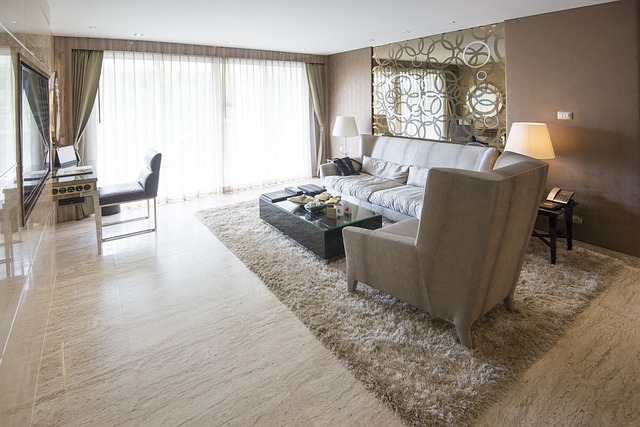
The growing demand for Sober Living Homes Paramus New Jersey addresses local substance abuse rates exceeding 20%. These homes provide crucial transitional support post-rehab, offering affordable, community-oriented care with varied levels of support. Challenges include limited options and diverse recovery models needed. Strategic initiatives focus on holistic approaches integrating outpatient services with supportive housing to enhance sobriety. Key strategies involve senior-specific programs, group therapy, peer mentoring, and collaboration with healthcare providers for personalized care plans targeting co-occurring disorders. Sober Living Homes Paramus New Jersey empower residents with life skills, stress management tools, and support networks, fostering lasting mental health stability within the community.
In the pursuit of a healthier and safer community, especially within the vibrant cityscape of Paramus, New Jersey, the concept of Sober Living Homes emerges as a transformative solution. This article delves into the critical need for such residences, addressing the challenges faced by individuals striving for recovery in a supportive environment. By exploring the potential of Sober Living Homes Paramus New Jersey, we aim to illuminate a path towards a more sober and resilient future for its residents. Through this comprehensive analysis, we offer valuable insights into creating sustainable change and fostering thriving communities.
- Understanding the Need for Sober Living Homes in Paramus, NJ
- Designing and Establishing Supportive Community Spaces
- Strategies for Effective Rehabilitation and Aftercare Programs
- Empowering Residents: Sustainable Sobriety and Life Skills
Understanding the Need for Sober Living Homes in Paramus, NJ

In Paramus, New Jersey, the demand for comprehensive sober living solutions is growing, driven by a complex interplay of social, economic, and healthcare factors. The need for Sober Living Homes Paramus New Jersey is more pressing than ever, given the rising rates of substance abuse and addiction within the community. According to recent studies, over 20% of local residents have struggled with addiction, emphasizing the critical requirement for accessible and affordable sober living options such as rehab facilities Paramus NJ and outpatient addiction treatment Paramus.
The traditional path to recovery often begins with inpatient rehab, but many individuals require ongoing support after completing these programs. This is where Sober Living Homes Paramus New Jersey play a pivotal role. These homes offer a transitional environment, providing individuals with the opportunity to rebuild their lives free from substances while enjoying the benefits of a supportive community. For instance, affordable sober living options Paramus have been shown to significantly improve long-term recovery rates by fostering social connections and teaching essential life skills.
However, addressing this need is not without challenges. The availability of high-quality, low-cost Sober Living Homes Paramus New Jersey has traditionally been limited. Outpatient addiction treatment Paramus, while accessible, may not offer the same level of structure and support as in-home recovery programs. To tackle these issues, local initiatives are focusing on diversifying options, including community-based sober living facilities that prioritize affordability and holistic care. By integrating outpatient services with supportive housing, these models aim to create a more seamless and effective path to long-term sobriety for residents throughout Paramus.
Designing and Establishing Supportive Community Spaces

Building a sober future in Paramus requires strategic initiatives focused on fostering supportive community spaces. These environments play a pivotal role in promoting recovery and preventing relapse for individuals seeking sobriety, especially those dealing with chronic pain or addiction. One effective approach is the establishment of Sober Living Homes Paramus New Jersey communities that provide structured yet home-like settings. These homes offer a safe haven where residents can focus on their recovery while engaging in peer support and learning essential life skills. For instance, several successful models involve recovering individuals mentoring new residents, creating a network of support that extends beyond the physical space.
Incorporating recovery coaching services Paramus into these communities is pivotal. Professional coaches offer guidance tailored to each resident's unique needs, addressing emotional well-being, stress management, and skill development for maintaining sobriety. This holistic approach has shown remarkable results in long-term recovery rates, as studies indicate that community-based support networks significantly reduce relapse risks compared to traditional outpatient addiction treatment Paramus settings alone. For individuals with chronic pain, specialized sober living programs can provide a controlled environment to manage symptoms without the risk of substance abuse relapses.
To establish effective community spaces, local stakeholders—including healthcare providers, government bodies, and non-profit organizations—should collaborate. This partnership can lead to the creation of comprehensive resources, such as peer support groups, educational workshops, and accessible outpatient services within the Paramus area. By combining these initiatives, the community can cultivate an environment that not only supports recovery but also empowers individuals to build lasting, sober lives, fostering a healthier, more resilient Paramus.
Strategies for Effective Rehabilitation and Aftercare Programs
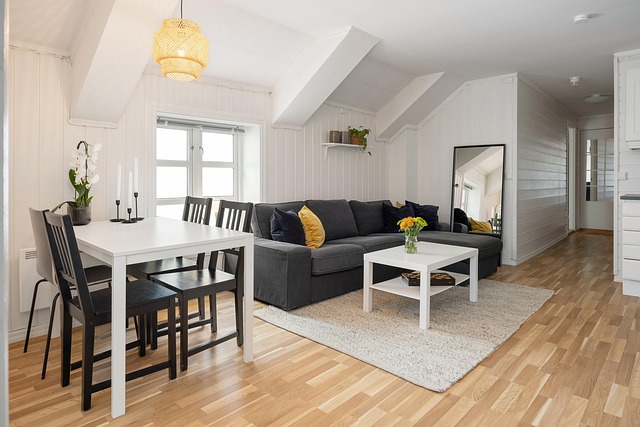
Building a sober future in Paramus requires robust strategies for effective rehabilitation and aftercare programs. Sober Living Homes in Paramus, New Jersey, play a pivotal role in this effort by providing structured environments that support long-term recovery. These homes offer not just shelter but also comprehensive care tailored to individual needs, focusing on mental health and addressing the root causes of addiction.
One key aspect is integrating senior-specific programs, given that addiction often manifests differently across age groups. For example, long-term addiction management in New Hampshire has seen success with programs that combine medication-assisted treatment (MAT) with cognitive-behavioral therapy (CBT). These approaches not only help seniors manage physical dependencies but also equip them with mental health tools to navigate life's challenges sober. Data from the National Institute on Drug Abuse underscores this approach, showing higher recovery rates among older adults who receive both medical and behavioral treatments.
Effective aftercare involves nurturing a supportive community. Sober Living Homes can facilitate this by fostering connections among residents and providing ongoing support through group therapy sessions, peer mentoring programs, and family involvement. For instance, some homes organize alumni networks that enable former residents to stay connected, share experiences, and offer mutual encouragement. This continuum of care is crucial for preventing relapse, as studies have shown that continued involvement in recovery communities significantly reduces the risk of backsliding into addiction.
Moreover, integrating mental health services within sober living environments ensures holistic treatment. Collaborating with local healthcare providers and therapists allows for personalized care plans addressing co-occurring disorders. This comprehensive approach acknowledges the intricate link between mental health and substance abuse, enhancing overall well-being and fostering a more enduring commitment to sobriety. Ultimately, successful rehabilitation is not merely about overcoming addiction but achieving lasting mental health stability in a supportive Paramus community.
Empowering Residents: Sustainable Sobriety and Life Skills

Empowering Residents through Sustainable Sobriety and Life Skills Development is a cornerstone of building a sober future in Paramus, New Jersey. Sober Living Homes Paramus NJ plays a pivotal role in this endeavor by offering more than just a safe space; they provide structured environments that foster personal growth and resilience. These homes serve as bridges between intensive drug and alcohol rehabilitation centers (rehab facilities Paramus NJ) and returning individuals to their communities, ensuring a smoother transition and increasing the likelihood of long-term success.
The journey towards sobriety is not merely a medical process but requires individuals to develop essential life skills. Luxury rehab facilities New Jersey often incorporate holistic approaches that address physical, mental, and emotional well-being. This includes therapy sessions, support groups, and educational workshops aimed at teaching residents coping mechanisms, stress management techniques, and career or education guidance. By empowering residents with these tools, Sober Living Homes Paramus NJ prepares them to navigate challenges without resorting to substance abuse.
Case studies from across the state reveal compelling success stories. Many former residents attribute their ability to maintain sobriety to the structured environment, supportive community, and life skills training they received in these homes. With access to quality rehab facilities (rehab facilities Paramus NH) and subsequent support from sober living communities, individuals can break free from addiction's cycle, rebuild their lives, and become active contributors to their neighborhoods. This multifaceted approach not only benefits the residents but also strengthens the social fabric of Paramus.
The article offers a comprehensive roadmap for creating a sober future in Paramus, New Jersey, focusing on the integral role of Sober Living Homes as catalysts for positive change. Key insights include the importance of designing supportive community spaces that foster connection and recovery, implementing evidence-based rehabilitation and aftercare programs tailored to individual needs, and empowering residents with life skills for sustained sobriety. By prioritizing these strategies, Paramus can establish a robust network of Sober Living Homes that not only provide immediate support but also equip individuals with the tools necessary for long-term success. This approach ensures a holistic transformation, addressing the complex needs of those seeking recovery in a meaningful and effective manner.