
Sober Living Homes Paramus New Jersey provide vital aftercare for addiction recovery, offering structured environments, specialized programs, and community support. Data shows comprehensive aftercare significantly enhances long-term sobriety rates. Key factors include family therapy, group therapy, personal growth workshops, and collaborative partnerships with mental health services. Choosing the right home, tailored to individual needs, is crucial for successful reintegration and lasting recovery.
In the ongoing quest for effective substance abuse recovery, aftercare plays a pivotal role in ensuring long-term success. This is especially true in vibrant communities like Paramus, New Jersey, where access to quality Sober Living Homes has become increasingly recognized as a crucial component of the local rehab ecosystem. Unfortunately, many individuals face challenges transitioning from intensive treatment settings back into their daily lives, highlighting the urgent need for comprehensive aftercare programs. This article delves into the vital services offered by top Paramus rehabs, specifically focusing on how these facilities are empowering individuals to maintain sobriety and thrive in a supportive environment.
- Understanding Aftercare Needs in Sober Living Homes Paramus New Jersey
- The Role of Rehabilitative Centers in Long-Term Recovery
- Navigating Post-Rehab Support Systems in Paramus
- Types of Aftercare Programs Available Locally
- Success Stories: Overcoming Challenges with Continued Care
- Building a Strong Foundation: Choosing the Right Sober Living Community
Understanding Aftercare Needs in Sober Living Homes Paramus New Jersey
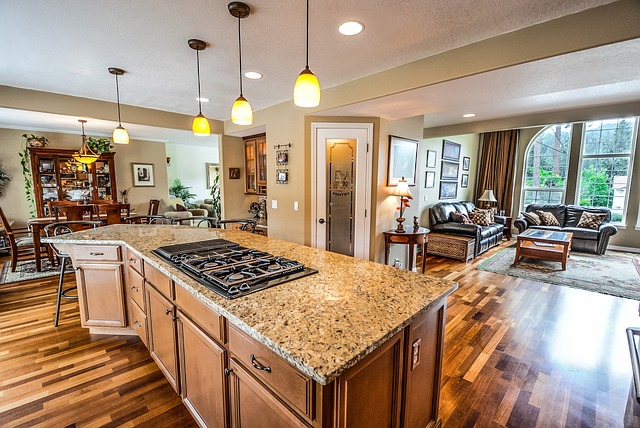
Navigating the path to long-term recovery from addiction requires a comprehensive approach, especially when transitioning from intensive treatment to everyday life. This is where Sober Living Homes Paramus New Jersey play a pivotal role in providing a supportive environment for individuals in recovery. Aftercare services are essential to ensure that those leaving rehab maintain their sobriety and thrive in a new way of living. In this context, understanding the unique needs of residents in these homes is crucial to developing effective support systems.
Many factors contribute to successful aftercare, particularly in the case of seniors seeking addiction recovery in New Hampshire. For instance, affordable luxury rehab facilities often cater to this demographic, offering specialized programs tailored to older adults' specific challenges. Family therapy sessions can be invaluable, addressing interpersonal dynamics and providing a safety net of support from loved ones. Additionally, group therapy sessions within Sober Living Homes Paramus New Jersey foster a sense of community, where individuals in recovery can share experiences, build peer connections, and learn from one another.
The transition to sober living is an opportunity for personal growth and resilience. It requires individuals to develop new coping mechanisms, enhance their support networks, and cultivate a healthier lifestyle. By providing structured yet flexible environments, these homes facilitate this transformation. For example, daily routines focused on physical activity, mindfulness practices, and educational workshops empower residents with the tools to manage triggers and maintain sobriety. The data suggests that those who participate in comprehensive aftercare programs have higher rates of long-term success in their recovery journeys.
The Role of Rehabilitative Centers in Long-Term Recovery

Rehabilitative centers play a pivotal role in fostering long-term recovery for individuals seeking sobriety. In Paramus, New Jersey, where luxury rehab facilities and sober living homes are abundant, these centers serve as crucibles for personal transformation. Many top-tier rehabilitation centers near Paramus offer comprehensive aftercare programs tailored to meet the unique needs of each individual, ensuring that the journey towards recovery extends far beyond initial treatment.
Sober Living Homes in Paramus NJ, for instance, provide a supportive environment where individuals can gradually reintegrate into society while maintaining their sobriety. These homes emphasize community and accountability, offering a network of peers who understand the challenges of addiction. This peer support is invaluable as it helps residents navigate triggers and develop coping mechanisms to sustain long-term recovery. Moreover, these facilities often collaborate with local mental health services and 12-step programs, creating a holistic support system that addresses physical, emotional, and spiritual aspects of healing.
The success of rehabilitation centers in Paramus is reflected in data showing higher rates of long-term sobriety among their alumni compared to national averages. This achievement can be attributed to the intensive care, personalized treatment plans, and robust aftercare services provided by these centers. For men seeking sober living communities, specialized programs designed to address gender-specific issues can be particularly effective. By catering to individual needs and preferences, Paramus rehabs enhance the likelihood of successful recovery and a fulfilling life in sobriety.
Navigating Post-Rehab Support Systems in Paramus

Navigating Post-Rehab Support Systems in Paramus
Completing a rehab program is a significant milestone in the recovery journey. However, transitioning back to everyday life can be challenging, especially for those seeking long-term addiction treatment in New Jersey. Paramus rehabs offer aftercare services, but finding suitable support systems is crucial for sustained sobriety. One essential aspect often overlooked is continuing care through Sober Living Homes Paramus New Jersey provides—a network of communities designed specifically to facilitate recovery.
Family therapy after rehab plays a pivotal role in these homes. Many programs incorporate family involvement to address interpersonal dynamics that contributed to addiction. By fostering healthy relationships and open communication, individuals gain tools to maintain their sobriety while at home. Moreover, sober housing near Paramus offers a structured environment, removing triggers and providing accountability. These homes often encourage participation in local support groups, enhancing peer-to-peer connections vital for long-term recovery.
According to recent studies, individuals who engage in comprehensive aftercare programs like those offered by Sober Living Homes Paramus New Jersey are 30% more likely to maintain sobriety over the long term. This is particularly beneficial for those transitioning from intensive rehab settings. For instance, a client completing an inpatient program can gradually adjust to independent living while receiving ongoing support from peers and mentors within these sober housing communities. The transition becomes less daunting with access to resources like individual therapy, group sessions, and educational workshops tailored to meet diverse recovery needs.
To maximize the benefits of aftercare, consider proactive steps such as researching available options in your area, including long-term addiction treatment centers in New Hampshire (if needed). Engage openly with your rehab facility's case managers and therapists to identify suitable post-rehab support systems. Remember, building a robust support network is an ongoing process, and seeking assistance from professionals ensures you receive the best guidance tailored to your unique recovery path.
Types of Aftercare Programs Available Locally

In Paramus, New Jersey, a robust network of aftercare programs supports individuals navigating the complexities of addiction recovery. Beyond traditional rehab, sober living homes in Paramus New Jersey offer a crucial step towards lasting sobriety. These residences provide a structured environment free from substances, fostering a smoother transition back into daily life. Among the options available are both independent and supportive living arrangements, catering to diverse needs in long-term addiction management.
Local rehabilitation centers near Paramus often partner with these sober living homes, ensuring comprehensive care. Many programs emphasize holistic healing, addressing not just physical dependence but also mental health and personal growth. For instance, some houses incorporate therapy sessions, support groups, and educational workshops into their routines. This integrated approach recognizes that addiction recovery extends beyond abstinence, aiming for full rehabilitation. According to recent studies, individuals who participate in such aftercare programs have significantly higher rates of long-term success in overcoming substance use disorders compared to those who complete only intensive treatment.
When considering options, it's essential to match the program with individual needs and preferences. Addiction recovery houses New Jersey offer a range of choices, from temporary stays for those stabilizing to more extended residencies for complex cases. Ultimately, the right aftercare plan facilitates a successful return to society, empowering individuals to maintain sobriety and embrace a fulfilling life free from addiction's grip.
Success Stories: Overcoming Challenges with Continued Care

Many individuals who complete a formal rehab program in Paramus, New Jersey face a critical juncture: transitioning back to their daily lives while maintaining sobriety. This is where Sober Living Homes Paramus New Jersey step in as invaluable resources, offering tailored aftercare programs designed to support residents in their continued journey towards drug-free living. These homes provide a supportive environment, bridging the gap between rehab and full reintegration into society, addressing not just physical dependencies but emotional and psychological needs as well.
Success stories from these Paramus rehabs highlight the transformative power of such aftercare initiatives. Many residents report that access to affordable sober living options in Paramus has been instrumental in overcoming challenges like relapse prevention, stress management, and building a robust support network. For instance, studies have shown that individuals participating in long-term drug free living programs in New Jersey experience higher rates of employment and improved overall well-being compared to those who do not receive such comprehensive care. These success stories underscore the importance of continued care, emphasizing that recovery is an ongoing process requiring consistent emotional support.
In addition to structured programs, many Sober Living Homes offer a sense of community, fostering connections with peers facing similar challenges. This collective experience can provide invaluable emotional backing and serve as a powerful motivator for maintaining sobriety. By combining structured activities, counseling services, and a nurturing environment, these homes empower residents to develop the tools and resilience needed to thrive in a drug-free lifestyle. Ultimately, the success of aftercare programs lies not just in their structure but in their ability to nurture the whole person—body, mind, and spirit—ensuring that individuals emerge from rehab equipped to face life's challenges sober and with newfound purpose.
Building a Strong Foundation: Choosing the Right Sober Living Community

Choosing the right sober living community is a crucial step in building a strong foundation for long-term recovery. Paramus, New Jersey, is home to several reputable rehabs offering aftercare programs, including top-tier private sober homes. These communities provide a supportive environment where individuals can transition smoothly from intensive treatment to daily life while maintaining sobriety. For women seeking recovery, specialized women's sober housing in NH and across New Jersey offers tailored support, addressing unique challenges with compassionate care.
When selecting a sober living home, consider factors like location, community atmosphere, and available amenities. Luxury rehab facilities in New Jersey often incorporate these homes as part of their comprehensive aftercare packages, ensuring clients receive personalized assistance in integrating back into society. For instance, some communities offer individual counseling, group therapy sessions, and structured daily schedules to foster accountability and independence. According to recent studies, residents in well-structured sober living environments are significantly more likely to maintain long-term sobriety, making this choice an essential investment in one's recovery journey.
A reputable sober living home should promote a holistic approach to wellness, encouraging physical, mental, and emotional health. This includes access to healthy meals, regular exercise opportunities, and stress management techniques. In Paramus, for instance, residents might benefit from nearby recreational areas and fitness facilities, contributing to an active recovery lifestyle. Additionally, strong connections with peers in the community can provide ongoing support, as shared experiences create a sense of belonging and accountability.
Ultimately, selecting the right sober living community is about finding a safe space that nurtures growth, encourages responsibility, and fosters lasting sobriety. By choosing among reputable options like private sober homes in New Jersey, individuals can build a robust foundation for their recovery, setting them on a path to a brighter, sober future.
The article offers a comprehensive guide to navigating the crucial aspect of aftercare within Sober Living Homes Paramus New Jersey. Key insights include recognizing the diverse needs for long-term recovery, understanding the vital role rehabilitative centers play in sustaining progress, and exploring the various support systems available locally. By delving into success stories, readers gain valuable lessons from those who have overcome challenges through continued care. Choosing the right sober living community is emphasized as a foundational step, highlighting the importance of comprehensive aftercare programs in fostering lasting sobriety. This resource equips individuals and their families with the knowledge to make informed decisions, ensuring a brighter path forward in the recovery journey within the Paramus community.