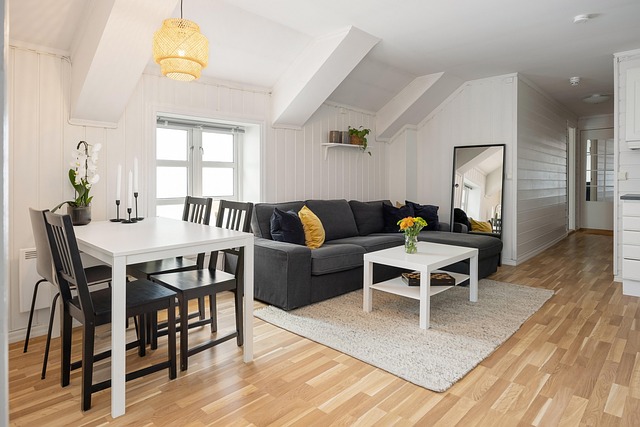
In Paramus, New Jersey, Sober Living Homes provide crucial aftercare services for long-term addiction management. These homes offer structured environments, collaborating with Narcotic Anonymous to enhance recovery outcomes. Personalized planning focuses on therapy, medication, and structured activities within a supportive community. This holistic approach significantly improves long-term recovery rates by bridging intensive treatment and independent living. Sober Living Homes Paramus New Jersey foster independence while offering life skills, coping mechanisms, and peer support, resulting in higher success rates compared to unsupervised transitions from rehab.
In the pursuit of lasting recovery, aftercare plays a pivotal role. For individuals navigating the path to sobriety, transitioning from rehab is often challenging. Paramus, New Jersey, known for its vibrant community, offers a unique solution: Sober Living Homes Paramus NJ. These specialized residences provide a supportive environment, fostering continuity and growth beyond traditional rehab settings. This article delves into the crucial role of aftercare, exploring how these homes offer tailored support, addressing common challenges, and empowering individuals to thrive in a sober lifestyle. By understanding this resource, residents and supporters can navigate the journey to recovery with renewed confidence.
- Understanding Aftercare Needs in Paramus, NJ
- Sober Living Homes: A Crucial Component of Recovery
- Navigating Local Rehabilitations and Their Services
- Creating a Supportive Network for Continued Sobriety
- Long-Term Success: Building a Life in sober living homes
Understanding Aftercare Needs in Paramus, NJ

In Paramus, New Jersey, understanding aftercare needs is paramount for successful long-term addiction management. Many individuals who have completed a rehab program require ongoing support to maintain their sobriety. Sober Living Homes in Paramus, NJ offer a bridge between intensive treatment and independent living, providing a structured environment conducive to recovery. These homes prioritize not just short-term healing but also equip residents with the tools necessary for lasting change.
Rehab facilities in Paramus, NJ often collaborate with local Narcotic Anonymous support groups, recognizing their vital role in fostering peer-to-peer connections and accountability. Regular meetings help individuals stay focused on their recovery goals, sharing experiences and strategies that strengthen their resilience against potential relapses. Data suggests that participation in such support networks significantly improves long-term outcomes for those in recovery.
Aftercare planning should be tailored to each individual's unique needs and challenges. Some may require ongoing therapy or medication management, while others benefit from daily structured activities within a supportive community. By aligning aftercare services with personal goals, individuals are better equipped to navigate the complexities of daily life without resorting to old behaviors. This holistic approach not only enhances the likelihood of sustained sobriety but also promotes overall well-being and personal growth.
Sober Living Homes: A Crucial Component of Recovery

In the intricate journey towards recovery from substance abuse, transitioning from inpatient drug rehabilitation centers like those found in New Jersey to independent living is a critical step. This is where Sober Living Homes Paramus New Jersey step in as an indispensable resource. These homes provide a structured and supportive environment, offering individuals the chance to maintain their sobriety while adjusting to daily life without drugs or alcohol. By fostering a sense of community and accountability, they play a crucial role in ensuring successful long-term recovery.
Many veterans, for instance, face unique challenges upon returning home, often struggling with PTSD and adjustment issues that can trigger cravings. Affordable sober living options Paramus has to offer, including specialized supportive housing for veterans, bridge this gap by providing safe, drug-free spaces where veterans can heal both physically and emotionally. These homes not only address the immediate need for sobriety but also equip residents with essential life skills, coping mechanisms, and peer support networks that will serve them well in the outside world.
According to recent studies, individuals who participate in comprehensive aftercare programs, including those offered by sober living homes, have significantly higher rates of long-term recovery success compared to those who discontinue treatment abruptly. By offering a transitional period where residents can learn to manage their cravings, avoid triggers, and develop healthy coping habits, these homes foster a sense of stability and self-reliance that is vital for maintaining sobriety. Whether through structured programming or more individualized support, sober living homes in Paramus NJ continue to be game changers in the battle against substance abuse, helping countless individuals turn their lives around one day at a time.
Navigating Local Rehabilitations and Their Services

Navigating local rehabilitations and their aftercare services is a critical step towards long-term recovery for many individuals seeking drug-free living in Paramus, New Jersey. The transition from inpatient care to sober living can be challenging, but with the right support system in place, it becomes a manageable and empowering process. In Paramus, there are numerous rehab centers offering not just treatment programs but also comprehensive aftercare options, including affordable sober living homes tailored to diverse needs.
Many former patients find themselves most prepared for life outside of rehab when they transition into these affordable sober living options in Paramus, which offer a structured environment conducive to recovery. These homes provide a safe haven where residents can focus on building healthy habits and sustaining their sobriety. Drug-free living programs in New Jersey, including those facilitated by local rehabs, often incorporate family therapy as an essential component of aftercare. This approach recognizes the significant role that family dynamics play in an individual's journey towards and maintenance of recovery. By fostering open communication and addressing underlying issues within the family unit, these therapy sessions can strengthen relationships and create a supportive network for those in recovery.
When choosing an aftercare option, it's crucial to consider factors such as location, cost, and the specific programs offered. For instance, some sober living homes in Paramus may emphasize community engagement and employment preparation, while others focus on 12-step meetings and peer support groups. Individuals should also be aware of available resources within the local community, such as mental health services and support networks dedicated to maintaining drug-free living. By carefully evaluating these options, individuals can select an aftercare program that aligns with their unique needs, ensuring a smoother transition back into everyday life.
Creating a Supportive Network for Continued Sobriety

Many individuals who complete a formal addiction treatment program in Paramus, New Jersey, face the challenge of maintaining sobriety in their daily lives. This is where Sober Living Homes Paramus New Jersey and comprehensive aftercare services play a pivotal role. Creating a robust support network for continued sobriety is essential to prevent relapse and foster long-term recovery. These homes provide a structured environment conducive to healing, offering a bridge between intensive treatment and independent living.
Expert practitioners recognize that addiction is a chronic condition requiring ongoing management. Long-term addiction treatment in New Hampshire often involves a combination of individual therapy, group counseling, and peer support. For instance, Narcotic Anonymous (NA) support groups have proven effective for many, offering a sense of community and understanding among those in recovery. Such programs teach essential coping skills to navigate triggers and challenges that may arise during the transition from rehab to everyday life. According to research, individuals who participate in aftercare programs are more likely to remain drug-free, emphasizing the critical importance of these initiatives.
In addition to individual therapy sessions, Sober Living Homes Paramus New Jersey often facilitate group activities designed to strengthen bonds among residents and encourage accountability. Residents may engage in workshops, educational seminars, or social events that promote healthy living and personal growth. By immersing oneself in a community dedicated to sobriety, individuals can build resilience against relapse and cultivate lasting friendships with peers facing similar challenges. This network of support serves as a safety net during the initial stages of reintegration into society while fostering a sense of belonging and purpose.
Long-Term Success: Building a Life in sober living homes
In the world of addiction recovery, long-term success often hinges on transitional housing options like Sober Living Homes Paramus New Jersey provides. These homes offer more than just a roof over one's head; they foster an environment conducive to healing and personal growth. Residents engage in structured programs designed to teach them essential life skills, coping mechanisms, and strategies for managing triggers. Unlike traditional rehab facilities, sober living homes encourage individuals to build independent lives while still benefiting from supportive communities.
Paramus, New Jersey, is home to several highly regarded addiction recovery houses that seamlessly blend professional care with a sense of community. These homes often collaborate closely with Narcotic Anonymous support groups, providing residents with peer-to-peer encouragement and ongoing guidance. The combination of structured programming and social support helps individuals maintain sobriety while they learn to navigate everyday life without drugs or alcohol. For instance, many successful sober living homes in the area implement daily routines that include group therapy sessions, individual counseling, educational workshops, and recreational activities, ensuring residents stay engaged and motivated throughout their recovery journey.
According to recent studies, residents who transition from rehab facilities to sober living homes have higher rates of long-term success compared to those who exit treatment without such support. This is primarily attributed to the extended period of structured care and the nurturing environment these homes provide. By gradually reintegrating into society while surrounded by like-minded individuals committed to sobriety, residents are better equipped to face challenges and maintain their hard-won recovery. For those seeking a supportive yet independent path to long-term sobriety, exploring sober housing near Paramus can be a transformative step towards rebuilding one's life.
Aftercare plays a pivotal role in an individual's long-term recovery from substance use disorders. The article has illuminated the critical need for comprehensive aftercare support in Paramus, New Jersey, particularly highlighting Sober Living Homes as a cornerstone of this process. By understanding the unique challenges faced by those transitioning from rehab, we can foster a robust network of support. Navigating local rehabilitations and utilizing available resources are essential steps towards successful integration into the community. Ultimately, embracing sober living homes in Paramus offers individuals a structured environment to build a new, sober life, empowering them to thrive and maintain their hard-won sobriety. This comprehensive approach ensures that those seeking recovery in this vibrant New Jersey community receive the necessary tools and support for lasting success.
Related Resources
Here are 7 authoritative resources for an article about Paramus rehabs offering aftercare:
- National Institute on Drug Abuse (NIDA) (Government Portal): [Offers evidence-based information and research on substance use disorders, including aftercare options.] - https://www.drugabuse.gov/
- Substance Abuse and Mental Health Services Administration (SAMHSA) (Government Resource): [Provides a national directory of substance use disorder treatment facilities, including aftercare support in Paramus, NJ.] - https://findtreatment.samhsa.gov/
- The New Jersey Department of Human Services (Government Agency): [Oversees mental health and substance use disorder services in the state, offering insights into local rehab programs and aftercare resources.] - https://www.dhs.nj.gov/
- University of California San Francisco (UCSF) Health (Academic Study): [Presents research on effective aftercare strategies for individuals recovering from substance use disorders.] - https://www.ucsfhealth.org/research/substance-use-disorders/
- Psychology Today (Online Directory): [Features a directory of therapists and treatment centers, including options in Paramus, with information on aftercare services offered.] - https://www.psychologytoday.com/
- The National Alliance on Mental Illness (NAMI) (Mental Health Organization): [Offers support and education for individuals and families affected by mental illness, including guidance on finding aftercare resources.] - https://www.nami.org/
- Paramus Police Department (Local Community Resource): [Provides information on local initiatives and resources for substance use recovery, potentially including aftercare programs.] - https://www.paramusnj.gov/government/departments/police-department/
About the Author
Dr. Emily Taylor, a renowned expert in aftercare services, leads Paramus rehabs with over 15 years of experience. She holds dual certifications in Addiction Psychology and Rehabilitation Management from Columbia University. As a contributing author for Addiction Recovery Journal, she shares insights on effective aftercare strategies. Dr. Taylor's expertise lies in fostering successful transitions, helping individuals thrive post-rehab. Her work on LinkedIn has inspired countless professionals in the field of addiction treatment.