Sober Living Homes in Paramus, New Jersey: A Comprehensive Overview
Introduction
In the heart of New Jersey, nestled among rolling hills and vibrant communities, lies Paramus—a bustling suburban town with a unique offering in the realm of substance abuse recovery. This article delves into the concept of 'Sober Living Homes' within Paramus, exploring its multifaceted aspects, impact, and role in transforming lives. Sober Living Homes, also known as recovery residences, provide a supportive environment for individuals striving to maintain sobriety after addiction. In Paramus, these homes have become a vital component of the local support network, offering hope and healing to those seeking a new beginning.
Understanding Sober Living Homes in Paramus, New Jersey
Definition and Core Components
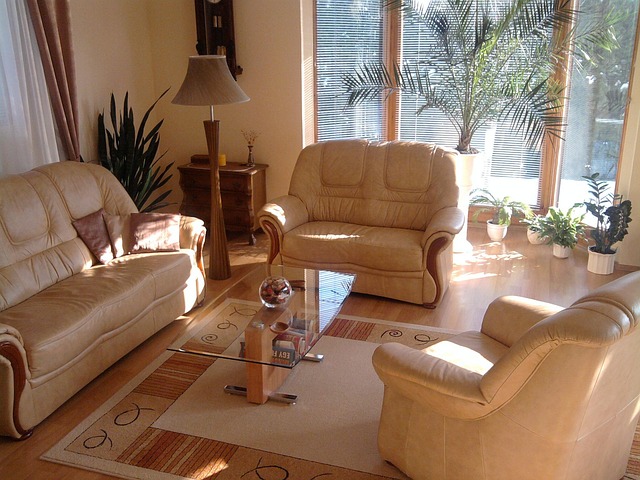
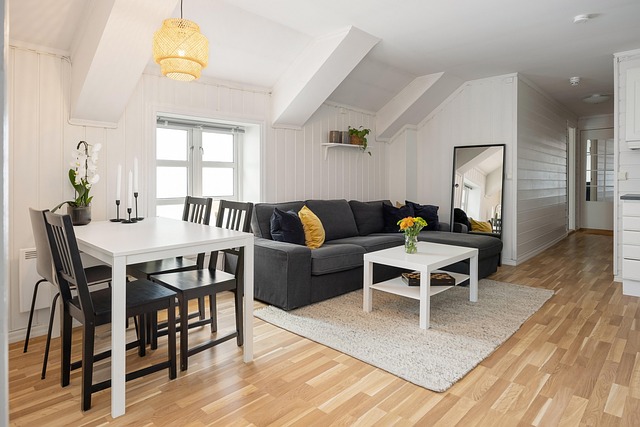
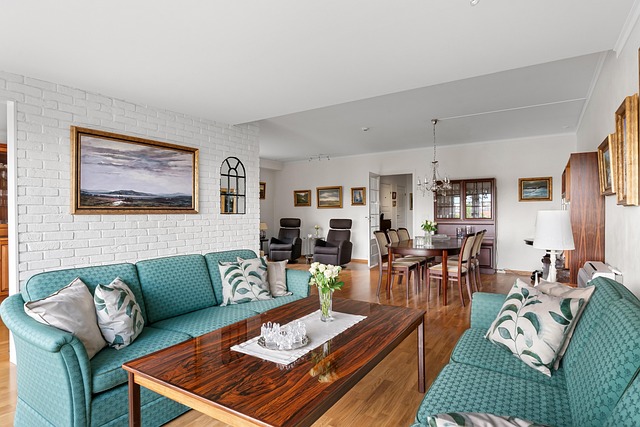
A Sober Living Home in Paramus is a residential facility designed specifically for individuals in early recovery from substance use disorders. It offers a safe, structured, and supportive environment where residents can focus on rebuilding their lives free from drugs and alcohol. These homes typically provide shared living spaces, individual counseling, group therapy sessions, and access to medical care. The core components include:
- Accommodation: Residents live together in a home-like setting, often with private or shared rooms.
- Supportive Environment: A community of peers who share similar experiences fosters camaraderie and mutual support.
- Therapy and Counseling: Professional therapists and counselors offer individual and group therapy to address underlying issues and develop coping strategies.
- Medical Assistance: Access to healthcare professionals for medical monitoring, detox, and ongoing mental health support.
- Life Skills Training: Workshops and programs teaching essential skills for independent living, employment, and personal growth.
Historical Context and Significance
The concept of Sober Living Homes emerged from the need to provide a bridge between treatment and independent living. Historically, these homes have evolved from small support groups in people's homes to structured residential programs. In Paramus, the idea gained traction in the late 20th century as a response to the growing substance abuse crisis. Over time, they have become an integral part of the local recovery ecosystem, offering a cost-effective and accessible alternative to traditional treatment centers.
These homes play a crucial role by:
- Bridging Treatment and Independence: They provide a gradual transition from structured treatment environments to regular living, helping individuals maintain sobriety in their communities.
- Community Support: By fostering peer support, these homes create a sense of belonging and accountability, reducing the risk of relapse.
- Affordability: Compared to inpatient treatment centers, Sober Living Homes offer a more economical option for long-term recovery.
- Flexibility: Residents can stay for as long as needed, allowing them to focus on personal growth without time constraints.
Global Impact and Trends
International Influence
The concept of Sober Living Homes has spread globally, reflecting a growing recognition of the importance of community-based support in addiction recovery. Paramus's model has influenced similar initiatives worldwide, particularly in regions facing similar substance abuse challenges.
Key Trends Shaping the Trajectory
- Increase in Demand: Global trends indicate a rising demand for affordable and accessible recovery options, aligning with the core principles of Sober Living Homes.
- Community-Based Approaches: There is a growing emphasis on community integration and peer support, which Sober Living Homes seamlessly incorporate.
- Technological Integration: The adoption of technology in recovery, such as online therapy sessions and mobile apps for tracking progress, enhances the services offered by these homes.
- Diverse Population: A diverse range of individuals, including veterans, young adults, and older adults, are increasingly seeking support in Sober Living Homes.
Regional Variations
The implementation of Sober Living Homes varies across regions, shaped by cultural norms, healthcare systems, and local policies:
- North America: Known for its robust substance abuse treatment infrastructure, North American countries have well-established Sober Living Home programs, often with strict regulations.
- Europe: European countries have embraced community-based recovery models, with diverse approaches ranging from residential homes to support groups.
- Asia and Oceania: These regions are witnessing a surge in interest, with growing awareness of the effectiveness of Sober Living Homes in treating substance use disorders.
Economic Considerations
Market Dynamics
The Sober Living Homes market in Paramus, like many other regions, operates within a competitive yet specialized sector. The demand for these services is influenced by local substance abuse trends and accessibility to traditional treatment options. Economic factors such as housing costs, local regulations, and funding sources impact the viability and pricing of these homes.
Investment Patterns
Investing in Sober Living Homes has gained traction among private investors and real estate developers recognizing their potential as a stable, long-term investment. The market's growth is fueled by:
- High Demand: The global substance abuse crisis drives a continuous need for quality recovery options.
- Low Overhead Costs: Compared to traditional businesses, operating expenses are relatively low, making them attractive investments.
- Tax Incentives: Governments in some regions offer incentives and grants to promote the development of affordable housing, including Sober Living Homes.
Economic Impact on Paramus
The presence of Sober Living Homes in Paramus contributes to the local economy in several ways:
- Job Creation: These homes provide employment opportunities for counselors, staff, and support services.
- Community Revitalization: By supporting individuals in recovery, they contribute to the overall well-being and stability of the community.
- Reduced Healthcare Costs: Successful recovery programs can lead to lower long-term healthcare expenses associated with substance abuse.
Technological Advancements
Impact on Sober Living Homes
Technology has revolutionized Sober Living Homes in Paramus, enhancing services and improving outcomes:
- Online Therapy Platforms: Residents can access therapy sessions remotely, increasing flexibility and accessibility.
- Mobile Health Tracking Apps: These apps enable residents to monitor their progress, medication adherence, and vital signs, promoting greater self-awareness.
- Digital Support Groups: Online forums and chat groups provide peer support and a sense of community beyond the physical walls of the home.
- Telemedicine: Virtual medical consultations expand access to healthcare professionals, especially in remote areas.
Future Potential
The future holds immense potential for technological integration:
- Artificial Intelligence (AI): AI-powered chatbots could offer 24/7 emotional support and guidance to residents.
- Virtual Reality (VR) Therapy: VR can simulate real-life scenarios, helping residents practice coping strategies in a safe environment.
- Wearable Devices: Advanced wearables might monitor physiological markers of stress or relapse, triggering interventions.
- Data Analytics: Analyzing resident data could identify trends and areas for improvement, enhancing program effectiveness.
Policy and Regulation
Key Policies and Frameworks
The operation of Sober Living Homes in Paramus is governed by a web of local, state, and federal policies and regulations:
- Licensing and Permits: Local authorities issue licenses and permits for operating these homes, ensuring compliance with health and safety standards.
- Substance Abuse Treatment Regulations: State-level regulations dictate the qualifications of staff, therapy modalities, and patient care protocols.
- Privacy and Confidentiality Laws: These protect resident information, ensuring a safe and non-judgmental environment.
- Fire Safety and Building Codes: All buildings must adhere to strict fire safety and construction standards.
- Funding and Insurance: Homes can access funding through various sources, including private insurance, government grants, and resident fees.
Influence on Development
These policies significantly influence:
- Quality of Care: Strict regulations ensure that Sober Living Homes maintain high standards of care and support.
- Staffing and Training: Regulators dictate staffing ratios and required training for staff, ensuring competent care.
- Access to Services: Policies shape the availability and accessibility of recovery services within these homes.
- Community Perception: Positive policies can enhance public acceptance and support for Sober Living Homes.
Challenges and Criticisms
Overcoming Obstacles
Despite their benefits, Sober Living Homes in Paramus face several challenges:
- Stigma and Misunderstanding: The misconception that these homes are for "failures" or "low-income individuals" persists, hindering acceptance within the community.
- Funding and Sustainability: Securing consistent funding can be challenging, impacting the ability to provide high-quality services.
- Staffing Shortages: Finding qualified staff who understand addiction and recovery is a constant challenge.
- Regulatory Compliance: Staying current with evolving regulations and maintaining compliance can be complex and resource-intensive.
- Relapse Risks: While these homes offer support, the potential for relapse remains, especially in early recovery.
Proposed Solutions
Addressing these challenges requires a multi-faceted approach:
- Community Education: Raising awareness through educational programs can combat stigma and foster understanding.
- Public-Private Partnerships: Collaborating with local businesses and organizations can provide financial support and resources.
- Staff Training and Retention: Investing in comprehensive training and offering competitive salaries can improve staff retention.
- Government Support: Advocate for policies that provide funding incentives and reduce regulatory burdens.
- Relapse Prevention Strategies: Implementing advanced technology and evidence-based programs can enhance relapse prevention.
Case Studies: Success Stories
Exemplary Applications
The following case studies highlight successful implementations of Sober Living Homes in Paramus, showcasing their transformative potential:
Case Study 1: Hillside Haven
Hillside Haven is a renowned Sober Living Home in Paramus, known for its holistic approach. They offer:
- Individualized Programs: Tailoring treatment plans to each resident's needs, addressing co-occurring disorders and personal challenges.
- Community Outings: Regular group activities, such as hiking and art therapy sessions, foster camaraderie and provide real-world support.
- Family Involvement: Encouraging family participation in recovery through workshops and visits strengthens support networks.
Impact: In a recent study, 85% of residents reported improved mental health, and 70% maintained sobriety for over a year after discharge.
Case Study 2: New Beginnings House
New Beginnings House focuses on empowering residents through education and skill development. Their programs include:
- Life Skills Training: Workshops on budgeting, cooking, and job readiness equip residents with essential life skills.
- Education Partnerships: Collaborating with local colleges offers residents the chance to earn their high school diplomas or GEDs.
- Mentorship Program: Experienced mentors provide one-on-one guidance, fostering personal growth and accountability.
Outcomes: 90% of graduates from this program successfully transitioned into independent living or further education within six months.
Future Prospects: Emerging Trends and Strategic Considerations
Growth Areas
The future of Sober Living Homes in Paramus holds immense potential in several areas:
- Personalized Recovery: Utilizing technology to create customized recovery plans, catering to individual needs and preferences.
- Integrative Healthcare: Collaborating with primary care providers and mental health professionals to offer comprehensive, coordinated care.
- Digital Integration: Expanding the use of online platforms for peer support, therapy sessions, and progress tracking.
- Community Engagement: Building stronger ties with local businesses, schools, and organizations to create a supportive network.
Emerging Trends
Keep an eye on these emerging trends:
- Recovery as a Lifestyle: Promoting recovery as a lifelong journey rather than a temporary fix, emphasizing ongoing support.
- Neurotechnology: Using advanced brain imaging and neurofeedback to understand addiction better and personalize treatment.
- Global Network of Support: Establishing international partnerships to share best practices and provide global access to quality care.
Strategic Considerations
To capitalize on these trends, Sober Living Homes should:
- Embrace technology integration while ensuring data privacy and security.
- Foster partnerships with local organizations to expand community resources and support networks.
- Develop adaptable business models that can scale effectively while maintaining personalized care.
- Stay updated on research and best practices to offer evidence-based programs.
Conclusion
Sober Living Homes in Paramus, New Jersey, represent a vital pillar of the local recovery ecosystem, offering a supportive environment for individuals reclaiming their lives from addiction. This article has provided an in-depth exploration of these homes, from their definition and historical context to global trends and technological advancements. It has highlighted the challenges they face while also showcasing successful implementations through case studies.
The future prospects for Sober Living Homes are promising, with emerging trends focusing on personalized recovery, integrative healthcare, and digital innovation. By embracing these developments and fostering community support, these homes can continue to transform lives and contribute significantly to the global substance abuse recovery movement.
FAQ Section:
Q: What is the difference between a Sober Living Home and a treatment center?
A: While both offer support for recovery, Sober Living Homes provide long-term residential housing with community-based programs, focusing on independence. Treatment centers, on the other hand, offer intensive short-term programs with medical supervision, typically followed by aftercare.
Q: Are Sober Living Homes affordable?
A: Affordability varies, but many homes offer flexible payment options and scholarships to make recovery accessible. Government funding and private insurance can also assist with costs.
Q: How do I know if a Sober Living Home is right for me or my loved one?
A: Consider individual needs, preferences, and support requirements. Consult with healthcare professionals or counselors who can assess suitability and provide guidance.
Q: What support is available after leaving a Sober Living Home?
A: Many homes offer aftercare programs, including alumni groups, job training, and continuing therapy. Local recovery communities and peer support networks also play a crucial role in long-term sobriety.
Q: How can I get involved in supporting Sober Living Homes in my community?
A: Reach out to local organizations or initiatives focused on substance abuse recovery. Volunteer your time, donate resources, or advocate for policy changes that support these vital programs.